Science
marine ecology
  - spatial ecology
  - community ecology
  - population dynamics
  - corals, fish, plants, fossils, microbes

research themes
  - climate change impacts on marine systems
  - larval dispersal and connectivity
  - restoration, scaling
  - Holocene reef dynamics, reef accretion, coral carbonate budgets
  - conservation, science-policy integration
Data analytics
  - Spatial & statistical modelling (R, Python, Julia; GLMMs, hierarchical & spatio-temporal models)
  - Bayesian approaches (Stan, brms, INLA; prior elicitation, PPCs)
  - Geospatial data science (sf, stars, terra, GDAL/PostGIS; web/3D maps with Leaflet, D3, CesiumJS)
  - Earth observation & big-data remote sensing (Sentinel/Landsat/VIIRS/MODIS; COG/NetCDF/Zarr; xarray/dask/stars; scalable pipelines on GEE/AWS; change detection & time-series)

  - Simulation & agent-based modelling (stochastic/forward models, particle tracking, ABM)
  - Data visualisation (ggplot2, plotly, Shiny; JavaScript/D3/CesiumJS)
  - Data engineering, analytics & LLMs (AWS EC2/S3, Docker, Make/Snakemake; applied LLM workflows)
  - Open science & reproducibility (Git/GitHub, Quarto/R Markdown, pkgdown, CI/CD, conda/mamba, renv, Zenodo)
Teaching
  - AI and large language models in teaching
  - adaptive learning platforms, enhanced learning tools
  - supervision and mentorship (Honours, Masters, PhD, ECR postdocs)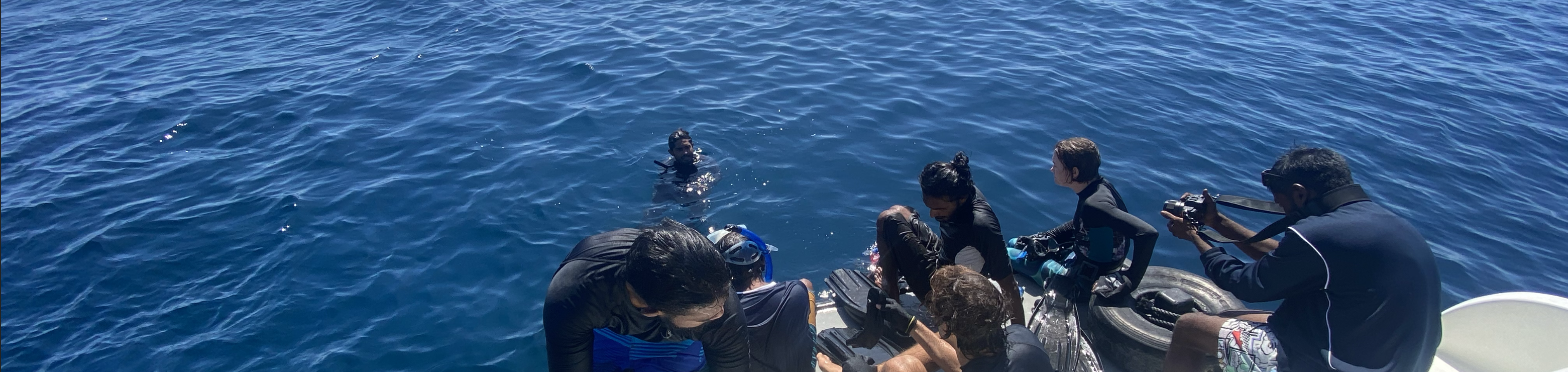
Marine Operations
  - field research, restoration science, survey/experimental design and implementation
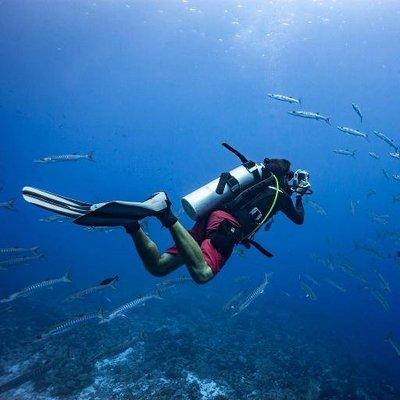
  - scientific diving (ADAS Level 1 commercial) and remote field logistics
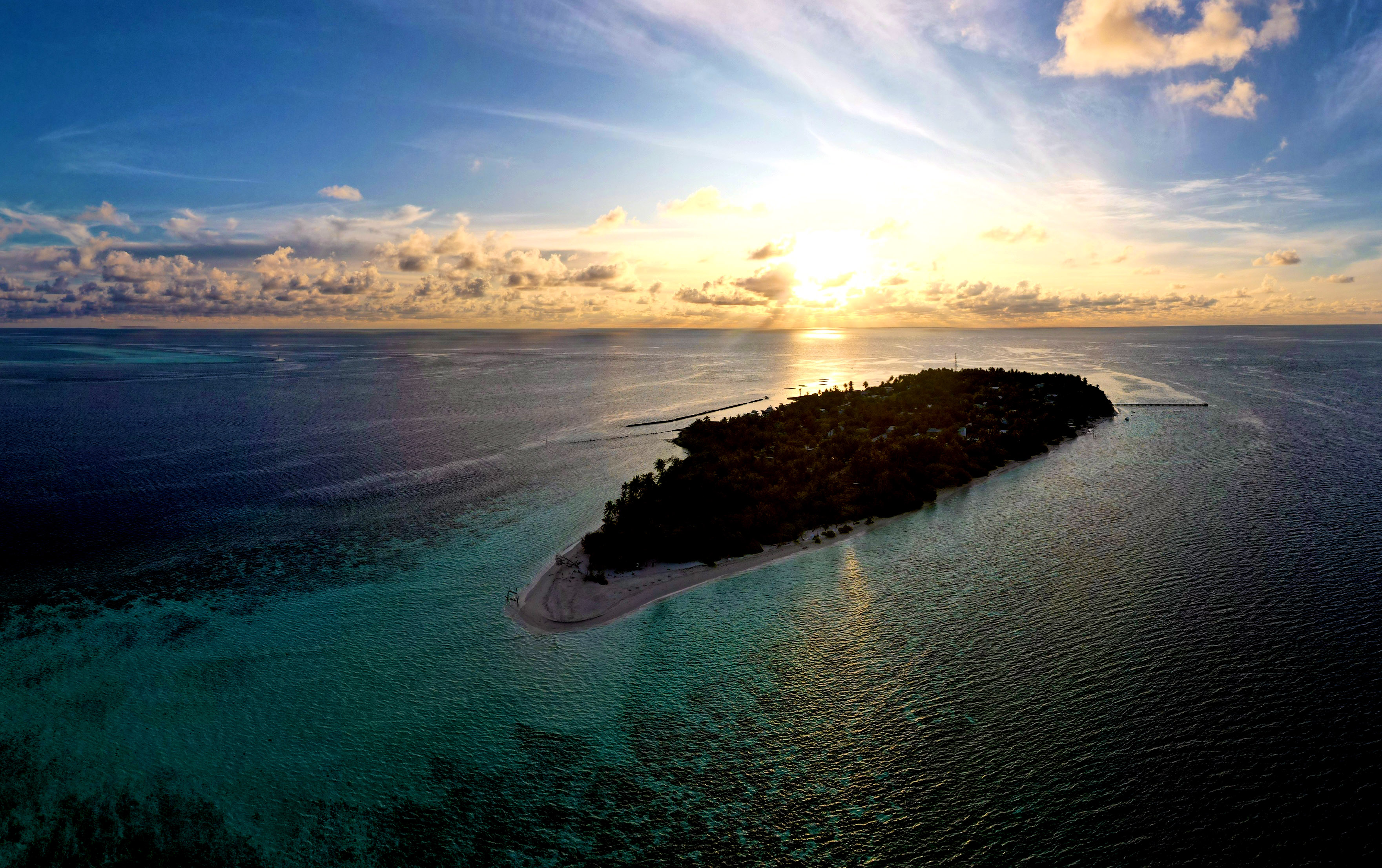
  - drone surveys and spatial mapping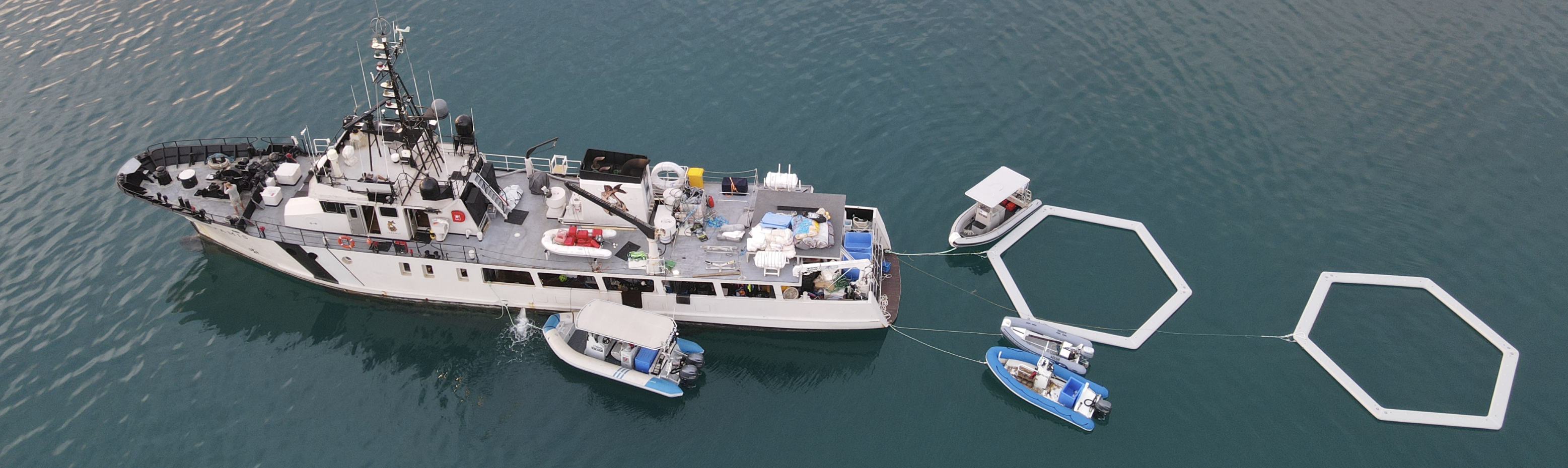
Other:
• media & communications
• scientific outreach & community engagement
• science-policy integration